
Helping strengthen Indigenous health equity, culturally safe and socially accountable care
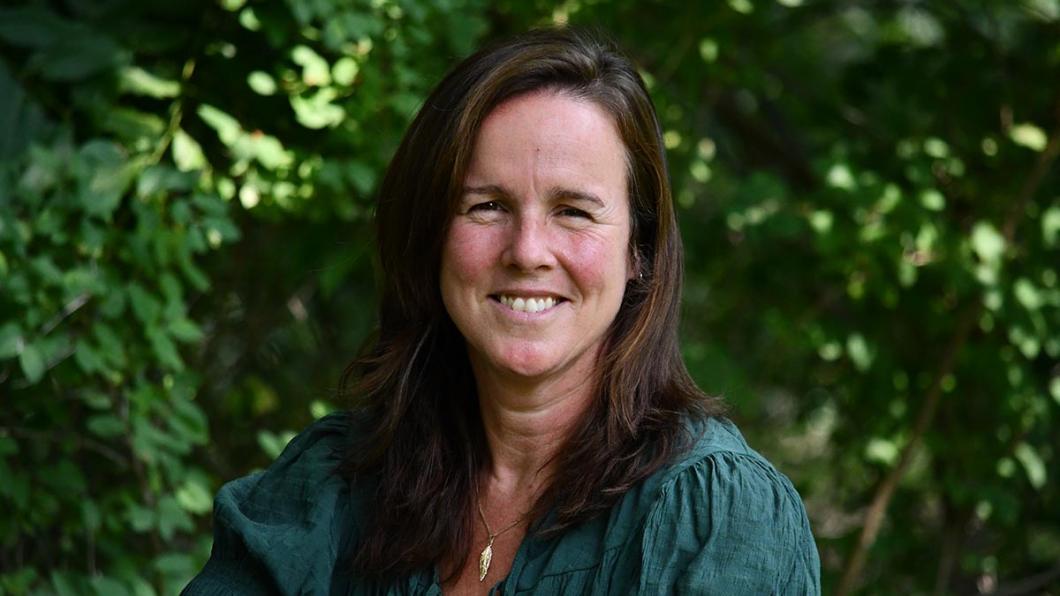
“You are welcome here. You can call this place your own.”- Anita Nakou, Indigenous health equity & experience specialist
For Anita, joining Holland Bloorview felt like coming full circle. Years earlier, while a family member was receiving care at the hospital, she experienced firsthand what makes the organization unique. “What impressed me was the positivity and hopefulness that permeated the halls,” she recalls. “I knew then what I know now: Holland Bloorview is a special place.”
Today, Anita brings both personal and professional experience to her role. As a mother of three teenage daughters, including one who spent significant time in hospital as a child, she understands the challenges families face while navigating complex health-care journeys.
Her work is also deeply rooted in her Indigenous identity. Honouring her Mohawk and Onondaga ancestry and her grandmother’s legacy at Six Nations of the Grand River, Anita has spent years reconnecting with her culture through learning, community gatherings, Pow Wows and a deeper relationship with the land. These experiences inform her vision of a health-care system where Indigenous children, youth and families feel safe, respected and supported.
In her role, Anita is helping strengthen relationships, advance cultural safety and support reconciliation in health care. Her goal is to help create a future where Indigenous Peoples receive care that honours their physical, emotional, cultural and spiritual well-being.
We recently spoke with Anita about her role, her priorities and her vision for Indigenous health equity at Holland Bloorview:
What was it about this role that resonated with you?
When I studied System Navigation at Humber College, I was shocked to learn about the disparities in health outcomes experienced by our multicultural populations across Canada. Because I was raised British-Canadian in a Christian household, I was largely sheltered from the realities of anti-Indigenous racism.
Holland Bloorview's commitment to socially accountable care, particularly for First Nations, Inuit and Métis Peoples, resonated deeply with me. I am encouraged by the willingness of staff to learn, grow and create space for voices that have historically been excluded.
What does your role entail? What does a typical day look like for you?
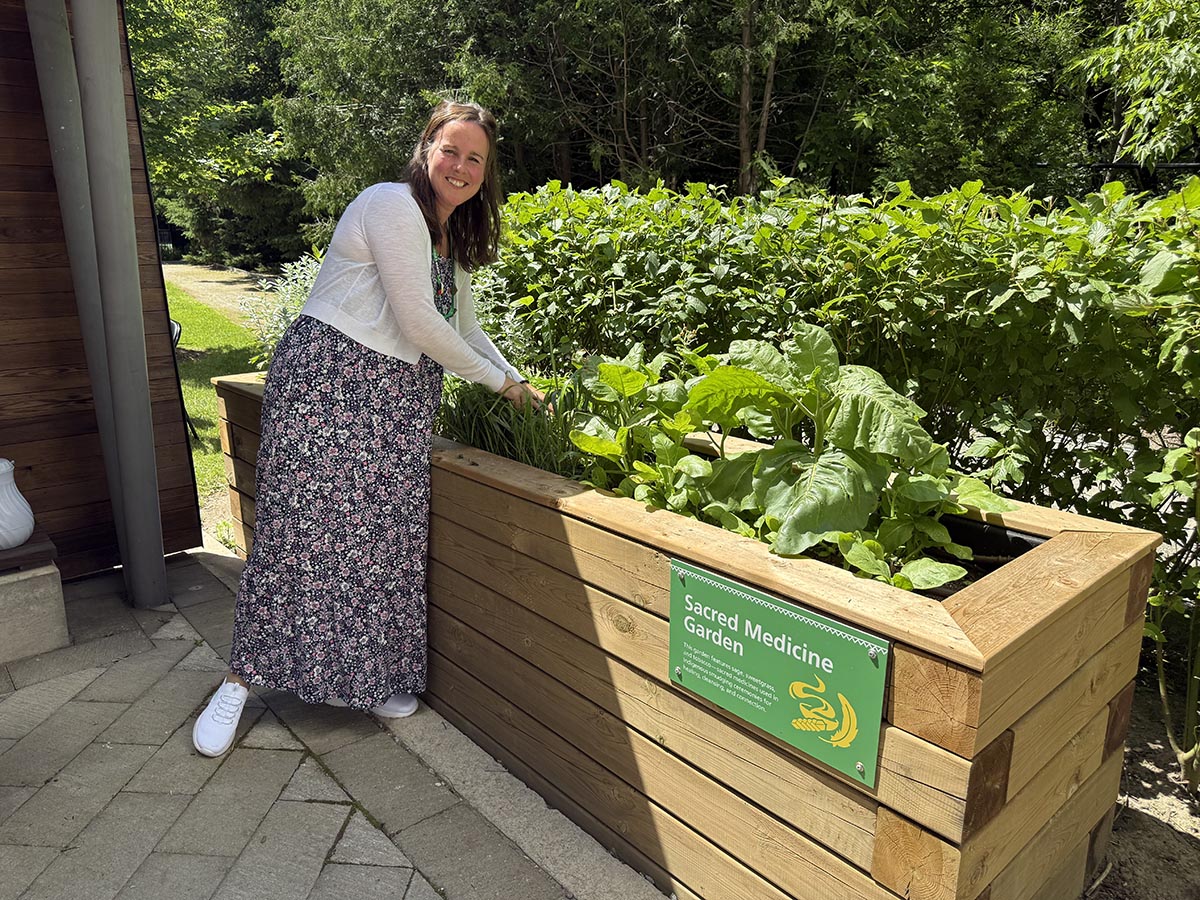
This role is still evolving, and I am inspired by the important work that dedicated staff have already engaged in, such as the creation of the smudging policy and the sacred medicine garden at Holland Bloorview.
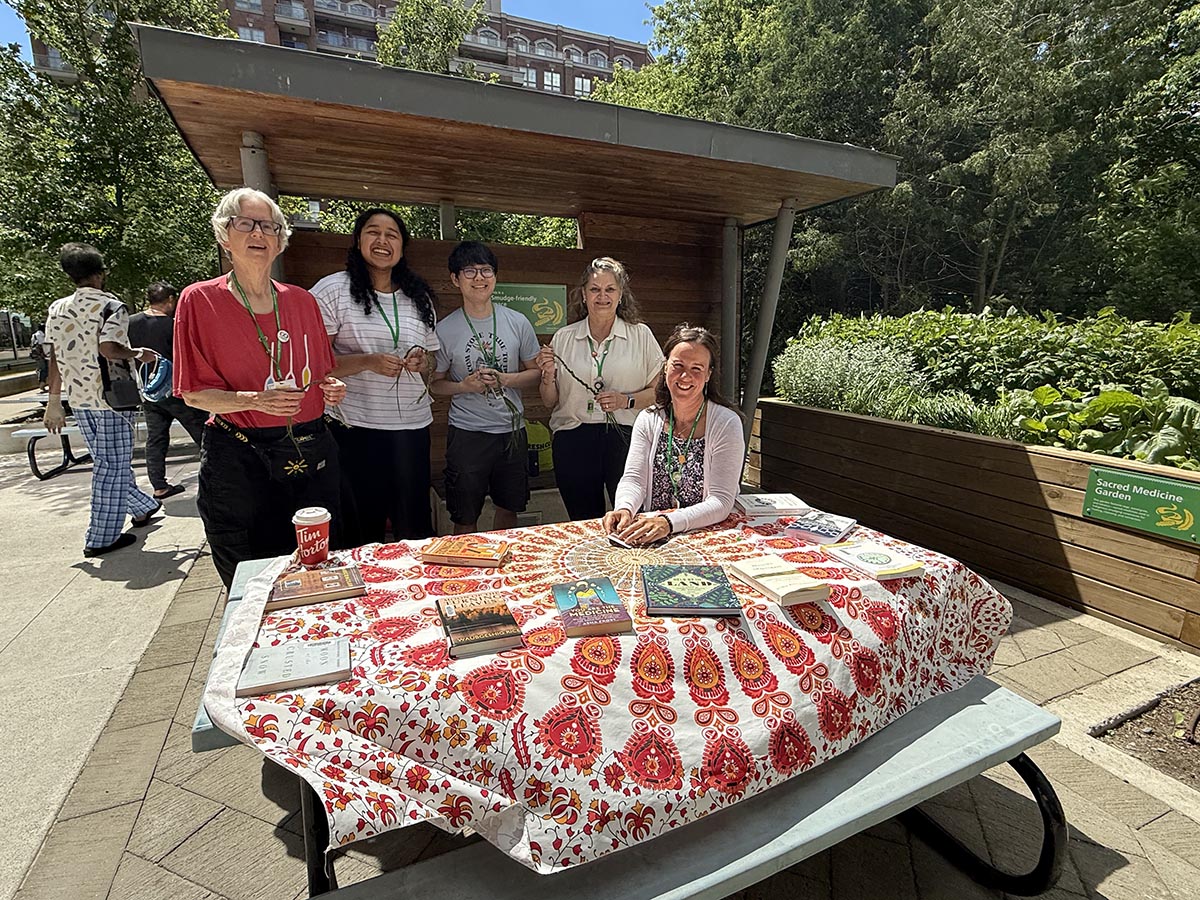
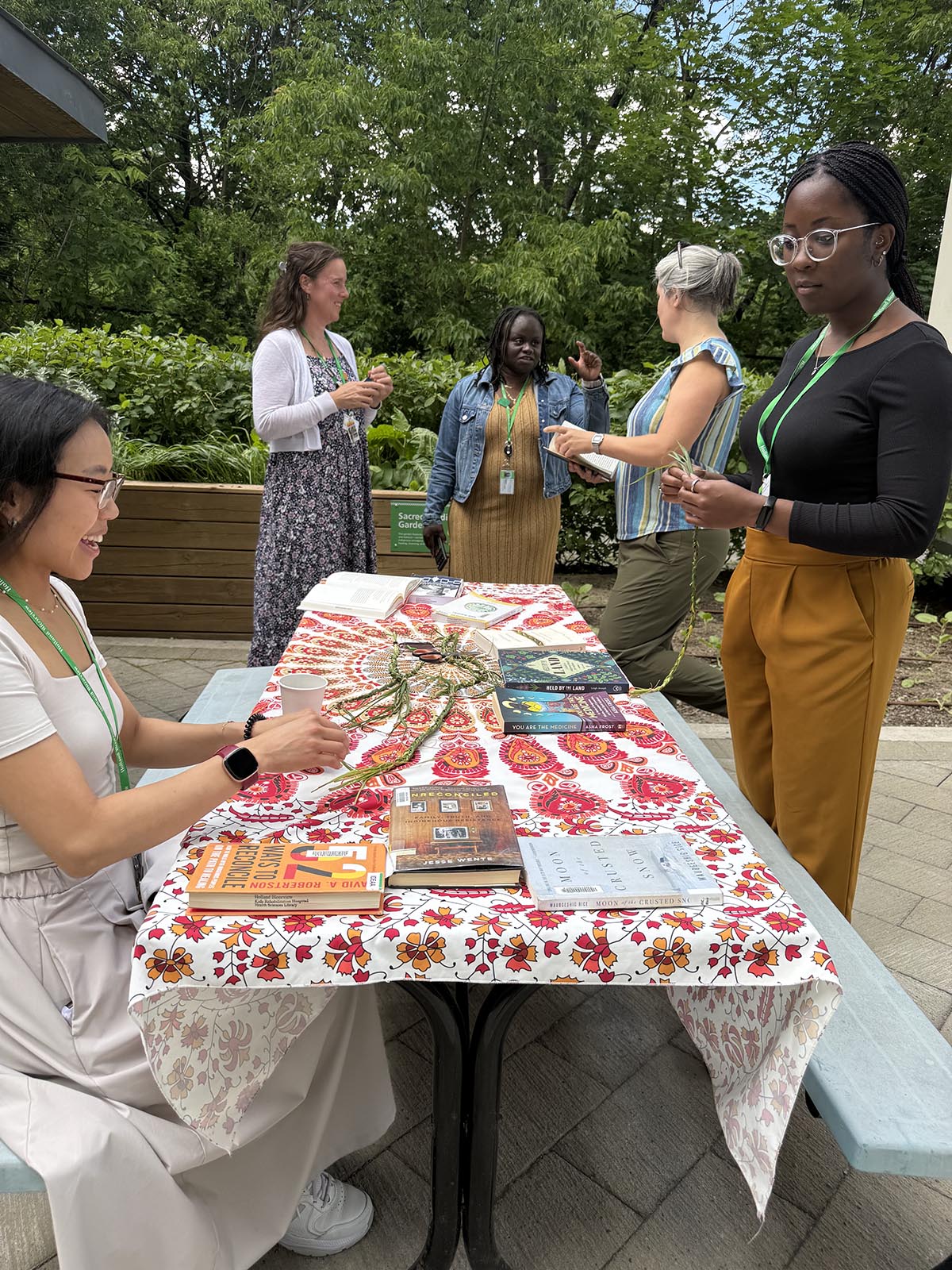
A typical day begins in the garden, where I take time to breathe, to connect to the plants, the earth, the birds, the trees and surrounding environment. From this grounded space I meet with many people across the hospital to engage in conversations around Indigenous health equity, community partnerships and consultations around cultural safety. Much of my work involves identifying opportunities for improvement while building on what already exists, such as supporting clinical teams as they care for Indigenous clients and families. Recently, I prepared gifts of braided sweetgrass, made by staff members, to welcome families who self-identify as First Nations, Inuit or Métis.
In your conversations, are there any themes you've been hearing consistently?
One message stands out: “We can do better.”
There is room for improvement, and Holland Bloorview is creating the space to explore innovative ways for Indigenous families to benefit from the exceptional care we provide. This includes exploring how pediatric rehabilitation services can be brought closer to Indigenous communities, reducing the hardship and stress associated with long-distance travel for care.
There is a genuine openness, a curiosity and an excitement in what is possible. At my recent meet-and-greet, I was impressed by the thoughtful questions staff asked and their desire to learn.
What does culturally safe and socially accountable care look like for Indigenous children, youth and families?
This looks different for every family. What’s most important is listening to feedback and requests. Based on past experiences, what have we learned? How do we modify our approach to care to include greater cultural sensitivity and respect?
Many times, in the Calls for Justice in the Missing and Murdered Indigenous Women and Girls report, the term “Indigenous-led” is used. How can Holland Bloorview include Indigenous leadership in the pursuit of excellent care?
When more people self-identify as Indigenous at Holland Bloorview and feel comfortable expressing their culture, it will reflect our reputation as a culturally safe space.
How can we all play a role in advancing reconciliation?
It starts with learning and building understanding. Staff can take advantage of educational opportunities available at Holland Bloorview, read works by Indigenous authors such as 52 Ways to Reconcile by David A. Robertson, and attend Pow Wows and community events. Reconnecting with the land through activities like walking, gardening, canoeing or birdwatching is another meaningful step – the land is a powerful teacher. If we love our Mother Earth, she will love us back.
What does meaningful reconciliation in health care look like?
Meaningful reconciliation in health care is learning from our mistakes so that history does not repeat itself. When mistakes happen, we must ask how we can repair relationships, rebuild trust and prevent similar situations from occuring again.
What impact do you hope your role will have?
I hope to strengthen Holland Bloorview's relationships with Indigenous communities and health centres, advance understanding of Indigenous ways of knowing, increase higher rates of client satisfaction and workplace enjoyment among First Nations, Inuit and Métis clients, families and staff.
What are you most excited about moving forward?
I am excited to continue conversations with the Assembly of First Nations and explore opportunities for meaningful collaboration. In addition, I am participating in the two-year Advancing Cultural Safety Together program through Health Excellence Canada, with the goal of developing a formal Indigenous Health Program at Holland Bloorview.
What might colleagues be surprised to learn about you?
I am a former soccer player who gave up her cleats to run a marathon last year. In August, I ran in the SuperPower 10K in support of Holland Bloorview, placing 1st in my category! My next challenge: the Georgina Half Marathon.
What do you enjoy outside of work?
I enjoy gardening, reading, running, backyard campfires, e-biking with my husband, cooking vegetarian meals and making homemade salsa from vegetables grown in my garden.
Resources:
- Holland Bloorview’s Truth and Reconciliation initiatives
- Smudging at Holland Bloorview
- Smudging Spaces
Story and photos by Terry Mutuku