



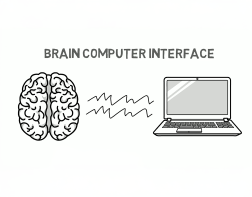
Brain computer interfaces (BCIs) are systems that collect brain signals and turn them into outputs that control activities. Our program uses a wireless headset that collects electrical signals from the brain. We train a computer to recognize a pattern in these electrical signals when the user thinks a “command thought”. This command thought can be something like clapping, going fast in a wheelchair, or splashing in a pool. Once the computer learns to recognize that pattern, the command thought can control an activity. These activities could be playing video games, driving a remote control car, controlling a blender, and more!
All children have the right to play, but toys and games can be hard to access for kids and teens with disabilities. BCI technology removes access barriers like the need for physical movement and speech. With this technology, kids and teens with disabilities have more opportunities to play and show off their skills.
FAQ
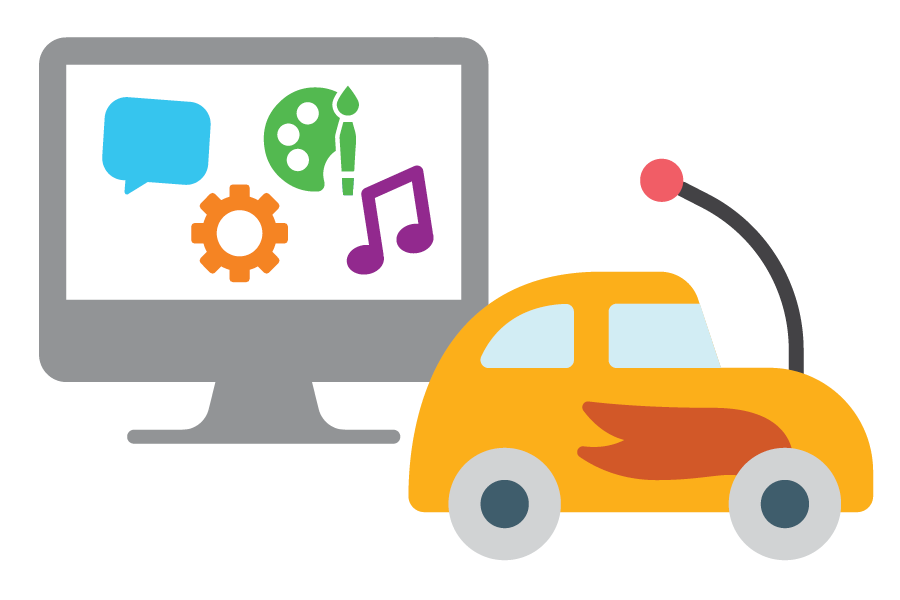 BCI technology can support a wide variety of engaging activities. These include controlling switch‑adapted toys and household devices (like a blender or fan), driving a power wheelchair trainer, creating art with a robot ball, and playing video games. All of this can be done without physical movement or verbal communication, using brain signals to interact with the environment in new and exciting ways.
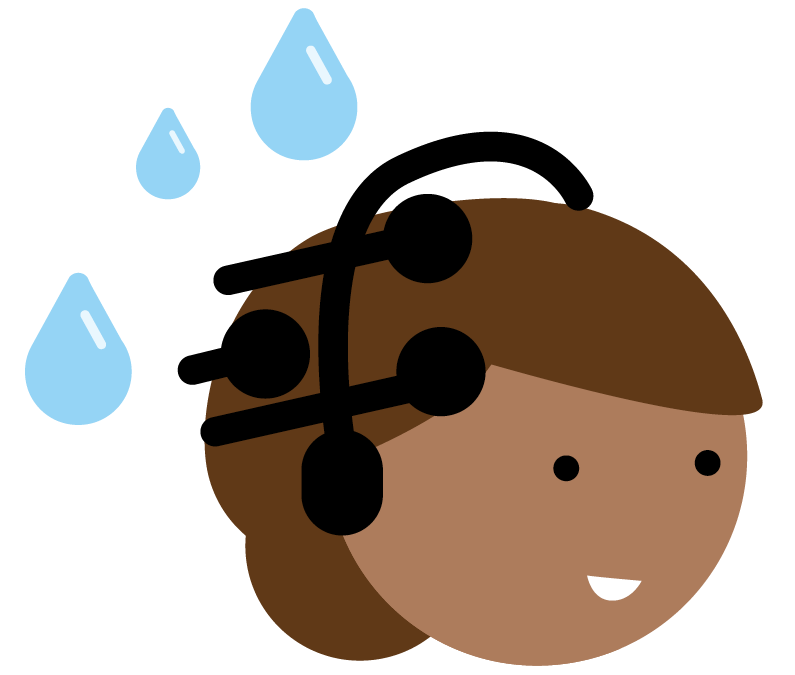 Using a BCI does not hurt. Some people may find the BCI headset uncomfortable but it should not be painful. The system uses a lightweight headset with sensors that are moistened with salt water to help detect brain signals. The sensors might feel cold and wet when the headset is first put on, but we can make adjustments to the headset’s position to improve comfort. The headset is non‑invasive and simply rests on the head.
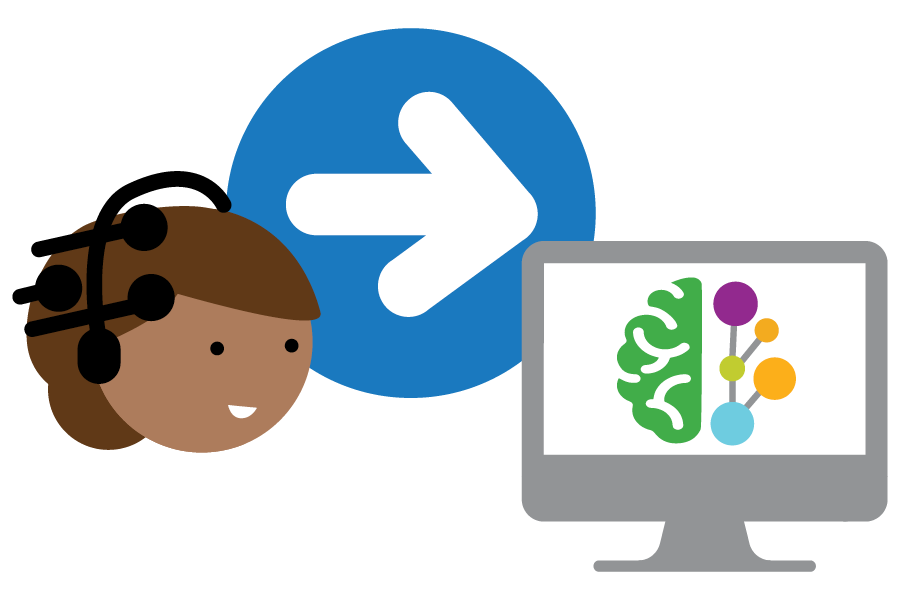 No, a BCI can’t read thoughts or know what you’re thinking. Instead, the electroencephalography (EEG)-based BCIs we use record electrical signals produced by the brain. The BCI looks for specific patterns in these signals and uses them to trigger different actions or activities.

 Looking to learn more or get started with our program? Get in touch with our team lead: