

How Indigenous teachings can improve care for autistic people
By Louise Kinross
"Given a different way of thinking in one's own spiritual intelligence" is one Plains Cree definition of autism.
It's shared in a recent paper on Indigenous perspectives of autism in the Wicazo Sa Review.
The researchers note that Indigenous principles have long provided a strengths-based view of autism, but these ideas have not been incorporated into mainstream supports for autistic people.
"For centuries, Indigenous knowledge systems have emphasized the interconnectedness of all life and have fostered inclusive practices that view diversity as a vital component of collective strength," they write. Indigenous cultures emphasize "the inherent worth of everyone within the community," and view differences in how people think or experience the world as "purposeful and meaningful rather than pathological."
The researchers make seven recommendations for how Indigenous teachings can improve care for autistic people.
Centre Indigenous knowledge and values
Incorporate Indigenous worldviews that value relationships, diversity and collective responsibility. "This means moving away from stigmatizing language and practices that dehumanize or marginalize. Instead, support systems should be grounded in respect for autonomy and agency. Neurodivergent individuals should have a voice in shaping the policies, programs, and services that impact their lives."
Recognize neurodivergent gifts
Celebrate unique gifts such as exceptional focus, attention to detail and creativity.
Develop community-driven approaches
Programs should not be imposed externally, but co-created with Elders, knowledge keepers, families and autistic people.
Enhance accessibility
Indigenous communities need physical and neurological accessibility in schools, workplaces and public spaces and information in Indigenous languages and different learning formats. Services must be trauma-informed, culturally safe and adapt to individual needs.
Address systemic barriers
This includes providing equitable funding for services by eliminating jurisdictional disputes between federal and provincial governments, and training professionals to understand and support neurodivergent people.
Promote education and awareness
Education should combat stigma, promote understanding, and highlight the strengths and contributions of diverse individuals.
Foster safe spaces
Individuals need places where they feel valued and supported. Create programs, cultural activities and peer support that encourage connection and belonging and celebrate strengths and diversity.
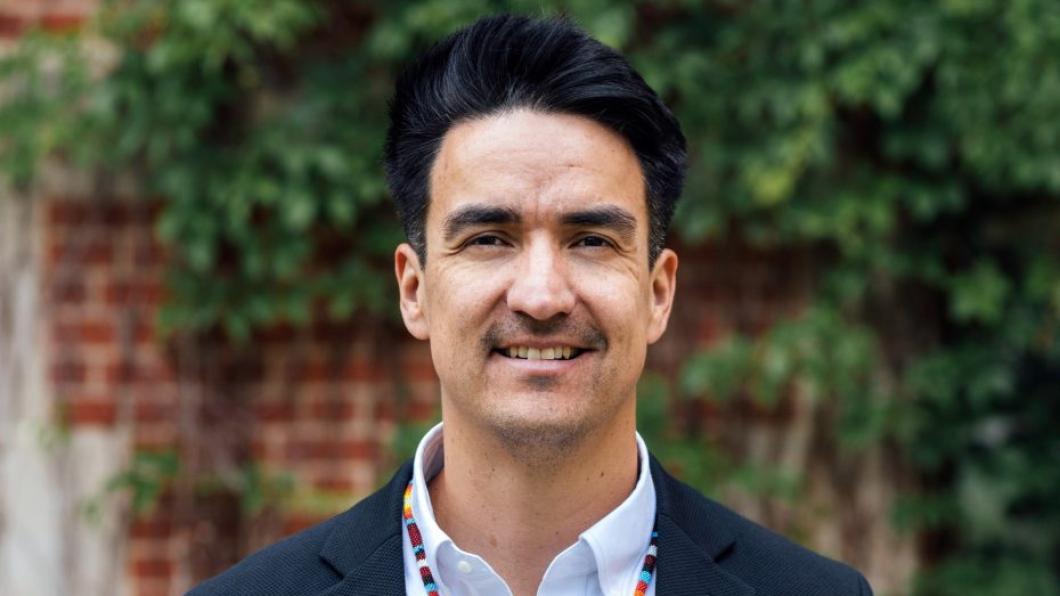
The authors of this paper are Dr. Grant Bruno (photo above), assistant professor in the Department of Pediatrics at the University of Alberta and a member of Samson Cree Nation; Louis Busch, a Bear Clan member of Nisichawayasihk Cree Nation, psychotherapist and doctoral candidate at the University of Toronto; Will Landon, an autistic First Nations man from the Anishinaabe of Wauzhushk Onigum; and Dr. Leona Makokis, a member of Kehewin Cree Nation and Elder.
Like this content? Sign up for our monthly BLOOM e-letter.